
Male infertility refers to a man’s inability to cause pregnancy in a fertile female partner after 12 months of regular, unprotected intercourse. It accounts for about 40–50% of all infertility cases.
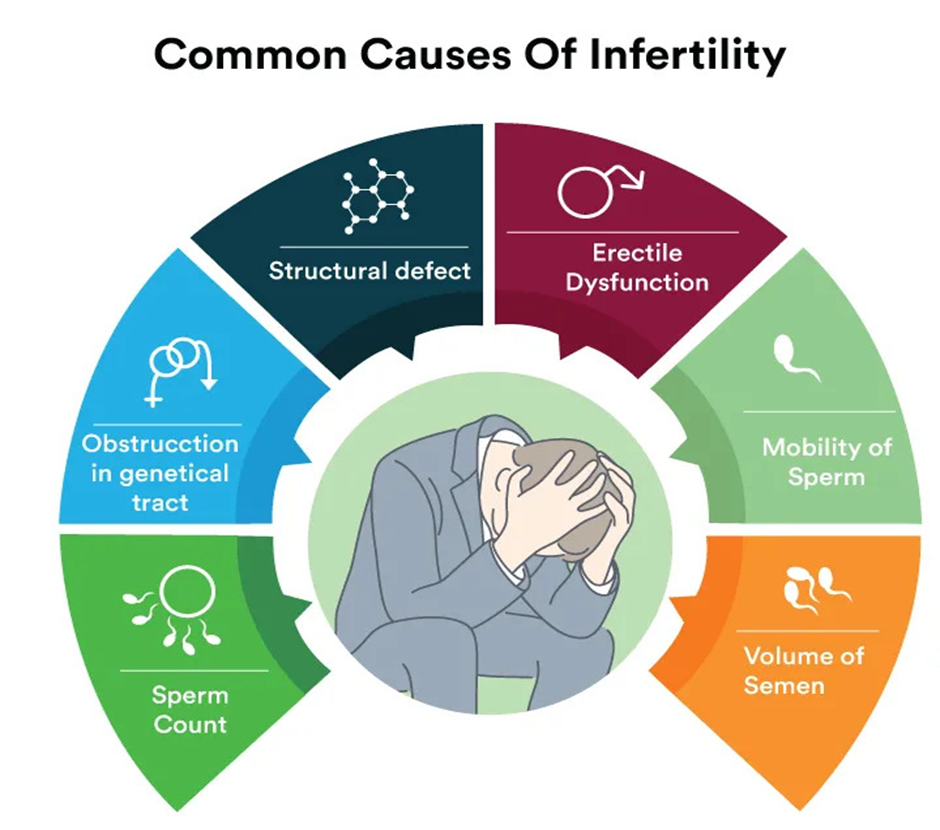
Common Causes of Male Infertility
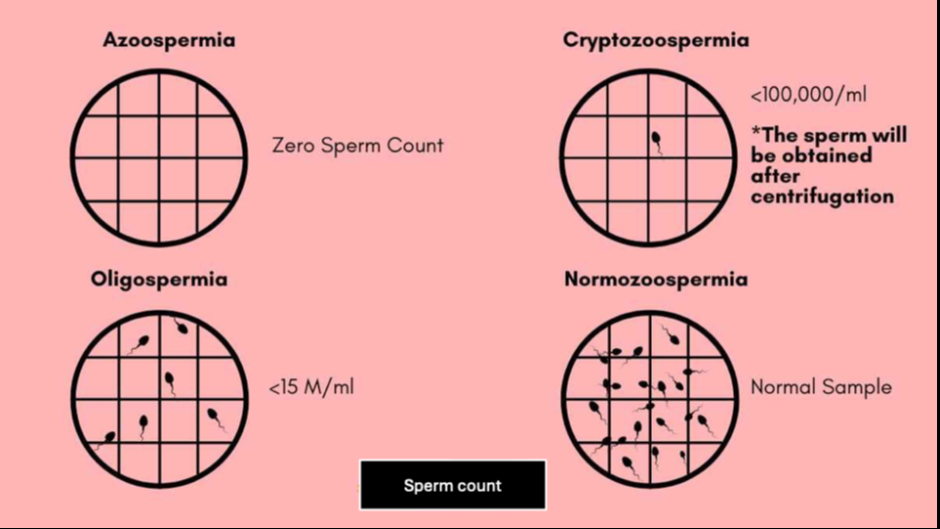
- Low sperm count (oligospermia)
- Poor sperm motility (asthenospermia)
- Abnormal sperm shape (teratospermia)
- No sperm in semen (azoospermia)
- Varicocele (enlarged veins in the scrotum)
- Hormonal imbalances
- Sexual dysfunction : Erectile dysfunction / ejaculatory dysfunction /retrograde ejaculation
- Genetic conditions
- Infections or STDs
- Lifestyle factors: Smoking, alcohol, obesity, stress, exposure to heat or toxins
Diagnosis: What Tests Are Done?
- Semen Analysis – Checks sperm count, movement, and shape
- Hormone Testing – Evaluates testosterone and other hormones
- Ultrasound / Scrotal Exam – Detects varicocele or blockages
- Genetic Tests – For severe sperm problems or azoospermia
- Testicular Biopsy – If no sperm is found in semen
Treatment Options
- Lifestyle Changes – Weight loss, quitting smoking/alcohol, reducing stress
- Medication or Hormone Therapy – If hormonal imbalance is found
- Surgical Treatments – For varicocele or blocked ducts
- Assisted Reproductive Techniques (ART):
- IUI (Intrauterine Insemination) – For mild sperm issues
- IVF (In Vitro Fertilization) – When sperm quality is moderately affected
- ICSI (Intracytoplasmic Sperm Injection) – For low count or motility, or when sperm is surgically retrieved
Success Rates
Success depends on the cause and severity of infertility.
When to See a Doctor?
If you’ve been trying to conceive for over 12 months (or 6 months if the female partner is over 35), it’s time for both partners to be evaluated.
Understanding Azoospermia: A Guide for Men and Couples
What Is Azoospermia?
Azoospermia is a medical condition in which a man’s semen contains no sperm. It affects about 1% of the male population and is a common cause of male infertility. Treatment options and paths to parenthood are available today.
Types of Azoospermia
There are two main types of azoospermia:
- Obstructive Azoospermia (OA)
- Sperm is produced in the testes but blocked from being ejaculated due to a physical obstruction.
- Common causes: Vasectomy, infections, injury, or congenital absence of the vas deferens.
- Non-Obstructive Azoospermia (NOA)
- The testicles do not produce sperm or produce very low levels.
- Causes may include hormonal imbalances, genetic conditions, testicular failure, or undescended testes.
Symptoms and Diagnosis
Azoospermia usually has no outward symptoms. Most men discover it during infertility evaluations. Diagnosis typically involves:
- Semen analysis (done at least twice to confirm)
- Hormone testing (FSH, LH, testosterone)
- Scrotal ultrasound
- Genetic testing
- Testicular biopsy (in some cases)
Is Azoospermia Treatable?
Yes, depending on the type and underlying cause, several treatment options may be available:
For Obstructive Azoospermia:
- Surgical correction (e.g., vasovasostomy or epididymovasostomy)
- Sperm retrieval (for use with IVF/ICSI)
For Non-Obstructive Azoospermia:
- Hormonal therapy (if caused by imbalance)
- Micro-TESE (microsurgical sperm retrieval from testicular tissue)
- Lifestyle changes (in cases linked to external factors)
Even when sperm is not retrievable, options like donor sperm or adoption offer paths to building a family.
Emotional Impact and Support
Receiving an azoospermia diagnosis can be emotionally difficult. It’s natural to feel confused, frustrated, or isolated. But you’re not alone.
- Speak openly with your partner and healthcare provider.
- Seek our support & counselling.
- Educate yourself—knowledge is power.
Take the Next Step
If you or your partner has been diagnosed with azoospermia, it’s important to consult a fertility specialist or a urologist with experience in male infertility. Early evaluation increases the chances of successful treatment.
Have Questions? We’re Here to Help
Our website is dedicated to providing clear, compassionate information to help you navigate your fertility journey.
Surgical Sperm Retrieval (SSR): What You Need to Know
What Is Surgical Sperm Retrieval?
Surgical Sperm Retrieval (SSR) is a medical procedure used to collect sperm directly from the testicles or the male reproductive tract where sperm is stored. It is done when sperm is not found in the semen—usually in men with azoospermia (zero sperm in the ejaculate).
Even if sperm isn’t coming out during ejaculation, many men still produce sperm inside their testicles. SSR helps us find that sperm so it can be used in fertility treatments like ICSI (Intracytoplasmic Sperm Injection).
Who Needs SSR?
SSR may be recommended if:
- You have obstructive azoospermia (a blockage in the reproductive tract)
- You have non-obstructive azoospermia (your testicles produce very little or no sperm)
- You’ve had a vasectomy or were born without a vas deferens
- There is no sperm found in your semen after testing
Types of Surgical Sperm Retrieval Procedures
There are different methods of SSR depending on the cause of azoospermia:
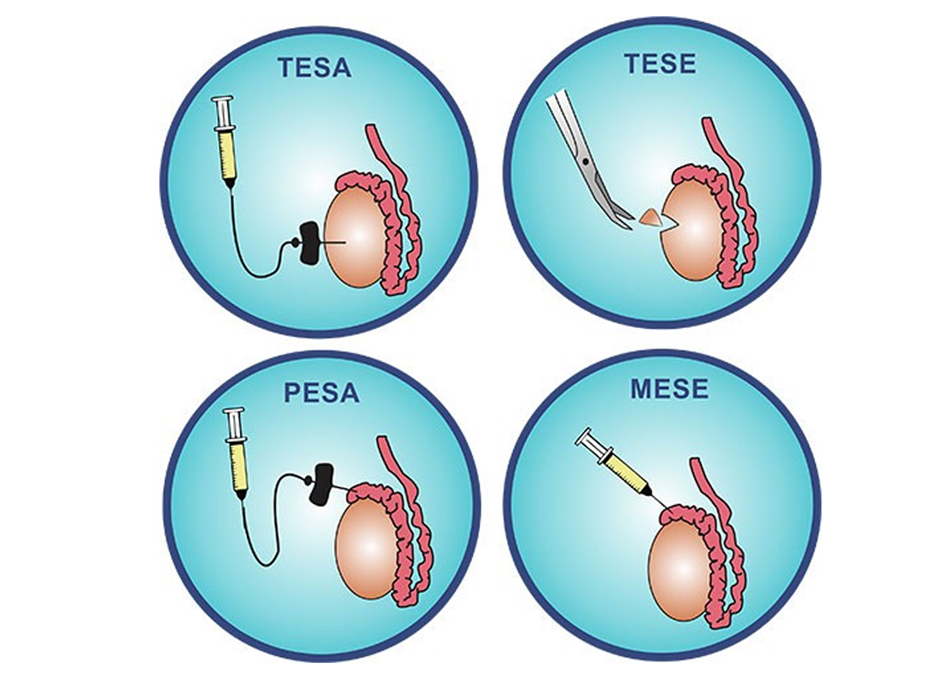
1. PESA (Percutaneous Epididymal Sperm Aspiration)
- A fine needle is used to collect sperm from the epididymis (where sperm is stored).
- Done under local anesthesia.
- Quick recovery.
2. TESA (Testicular Sperm Aspiration)
- A needle is used to extract sperm directly from the testicle.
- Usually done under local anesthesia.
- Suitable for both obstructive and some non-obstructive cases.
3. TESE (Testicular Sperm Extraction)
- A small surgical cut is made in the testicle to take a tiny tissue sample.
- The tissue is checked under a microscope for sperm.
- Done under local or general anesthesia.
4. Micro-TESE (Microsurgical TESE)
- A more advanced form of TESE using a microscope.
- Helps find sperm in men with very low or no sperm production (non-obstructive azoospermia).
- Higher chance of finding sperm than regular TESE.
- Done under general anesthesia.
Is the Procedure Painful?
- Most SSR procedures are done under local or general anesthesia, so you won’t feel pain during the process.
- Some discomfort or mild swelling is normal afterward and can be managed with pain relief.
- Most men recover within a few days.
What Happens After SSR?
- The retrieved sperm is checked and, if found, either used immediately for ICSI and or frozen (cryopreserved) for future use.
- If no sperm is found, your doctor will discuss other options, including repeating the procedure, using donor sperm, or exploring other fertility treatments.
Risks and Side Effects
Like any medical procedure, SSR has some risks, but they are usually minor:
- Mild Swelling or bruising
- Mild discomfort
Success Rates
- Success depends on the type of azoospermia, the procedure used, and your individual condition.
- Micro-TESE has the highest success rate for finding sperm in non-obstructive azoospermia cases.
- In obstructive cases, success rates are usually very high.
Why Choose Surgical Sperm Retrieval?
- Offers a chance of biological parenthood
- Allows sperm to be used with ICSI-IVF
- Minimally invasive options available
- Often a one-time procedure with sperm freezing
Talk to Us
If you’ve been diagnosed with azoospermia or advised to undergo SSR, we’re here to guide you every step of the way. We’ll explain your options clearly, help you understand the procedure, and support you on your fertility journey.